Histone Methyltransferase
Histone modifications play critical roles in regulating both global and stage-specific gene expression. Methylation on histones H3K4, H3K36 and H3K79 is generally associated with gene activation, whereas methylation on histones H3K9 and H3K27 is generally associated with gene repression. Histone lysine methylation is dynamically regulated by site-specific methyltransferases and demethylases. EZH2 (the catalytic subunit of PRC2) is responsible for the methylation of H3K27 in cells.
DOT1L is a histone H3 lysine 79 methyltransferase whose inhibition increases the yield of induced pluripotent stem cells (iPSCs). EPZ-5676 is a potent and selective DOT1L inhibitor.
Crucial to PRC2 activity, the histone methyltransferase enhancer of zeste homolog 2 (EZH2) tri-methylates lysine 27 of histone 3 (H3K27me3), leading to chromatin condensation and transcriptional repression.
Histone Methyltransferase Isoform Specific Products
-
Histone Methyltransferase
(369)
View all products
-
EZH1
(11)
View all products
-
EZH2
(85)
View all products
-
DOT1L
(21)
View all products
-
SMYD2
(9)
View all products
-
SMYD3
(9)
View all products
-
SUV39H2/
KMT1B (4)View all products
-
EHMT2/
G9a/ (32)KMT1C View all products
-
EHMT1/
GLP/ (20)KMT1D View all products
-
ASH1L/
KMT2H (4)View all products
-
SETDB1/
KMT2G (4)View all products
-
SETD2/
KMT3A (5)View all products
-
NSD2/
MMSET/ (16)WHSC1 View all products
-
NSD3/
WHSC1L1 (4)View all products
-
SETD7/
KMT7 (6)View all products
-
SETD8/
KMT5A (5)View all products
-
PRMT1
(24)
View all products
-
PRMT3
(17)
View all products
-
PRMT4
(19)
View all products
-
PRMT5
(63)
View all products
-
PRMT6
(23)
View all products
-
PRMT7
(8)
View all products
-
PRMT8
(13)
View all products
All Product Categories
-
Histone Methyltransferase Inhibitors
(517)
View all products
-
Histone Methyltransferase Agonists
(5)
View all products
-
Histone Methyltransferase Antagonists
(11)
View all products
-
Histone Methyltransferase Activators
(4)
View all products
-
Histone Methyltransferase Modulators
(4)
View all products
-
Histone Methyltransferase Chemical
(1)
View all products
-
Histone Methyltransferase Inducers
(3)
View all products
-
Histone Methyltransferase Degraders
(68)
View all products
-
Histone Methyltransferase Controls
(8)
View all products
-
Histone Methyltransferase Ligands
(16)
View all products
-
Histone Methyltransferase Related Products (686)
Related Products (686)

-
Antibodies (84)
-
Histone Methyltransferase Isoform Comparison
-
EPZ020411
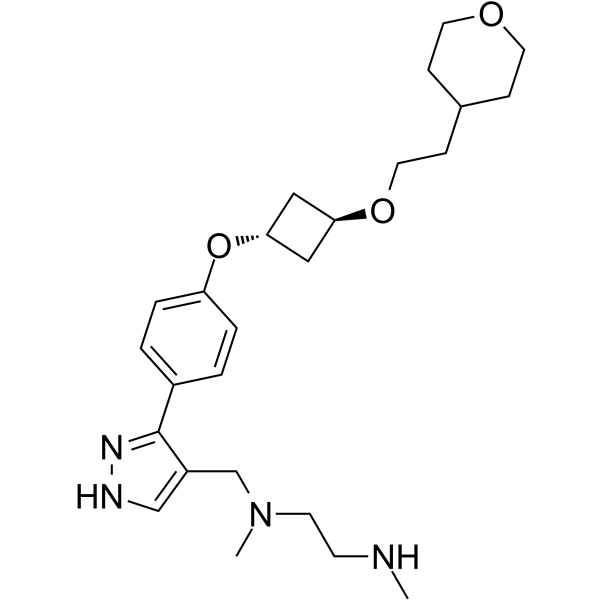 0 ImagesEPZ020411 is a selective, blood-brain barrier-permeable PRMT6 inhibitor with an IC50 of 0.010 μM. EPZ020411 blocks PRMT6-mediated histone H3R2 methylation, reduces ROS production, and inhibits Apoptosis. EPZ020411 is applicable to research related to neuropathic pain, colorectal cancer, ototoxicity, hearing loss and glioblastoma.
-
CM-272
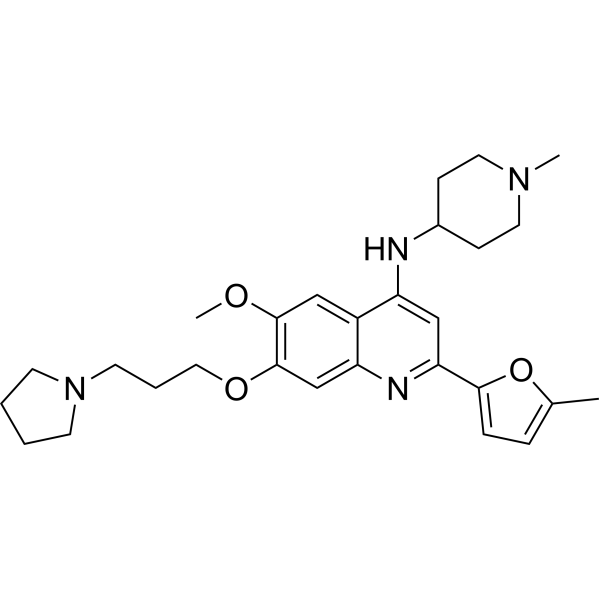 0 ImagesCM-272 is a first-in-class, potent, selective, substrate-competitive and reversible dual G9a/DNA methyltransferases (DNMTs) inhibitor with antitumor activities. CM-272 inhibits G9a, DNMT1, DNMT3A, DNMT3B and GLP with IC50s of 8 nM, 382 nM, 85 nM, 1200 nM and 2 nM, respectively. CM-272 inhibits cell proliferation and promotes apoptosis, inducing IFN-stimulated genes and immunogenic cell death.
-
EZM 2302
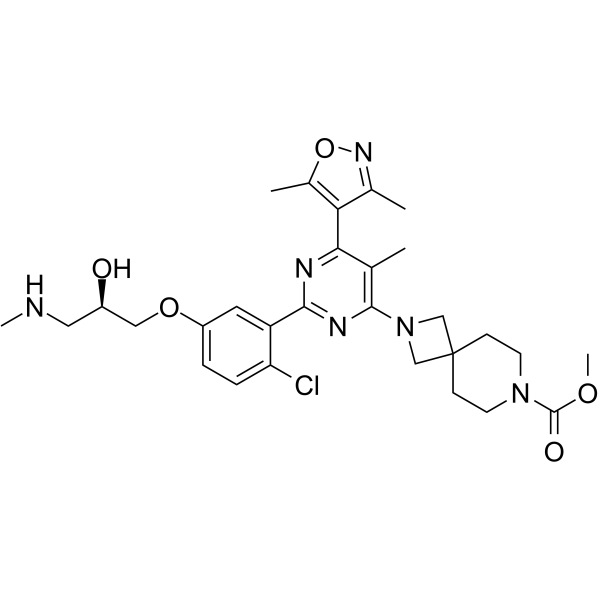 0 ImagesEZM 2302 is a potent and orally active CARM1 inhibitor with an IC50 value of 6 nM. EZM 2302 shows antiproliferative activity and anti-tumor activity. EZM 2302 inhibits PABP1 and SMB expression.
-
Rinzimetostat
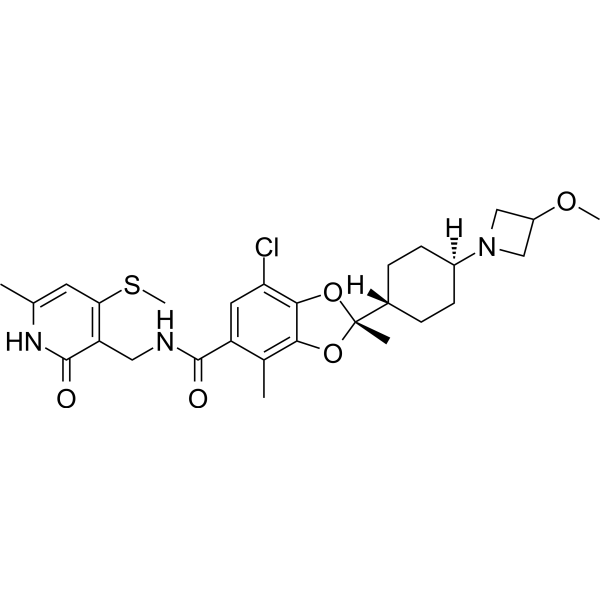
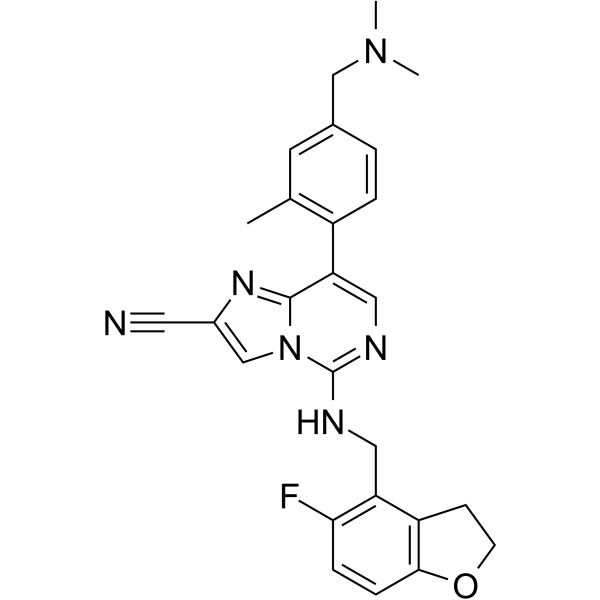 0 ImagesSynonyms: ORIC-944Rinzimetostat (ORIC-944) is a selective, orally active, allosteric inhibitor targeting the EED subunit of polycomb repressive complex 2 (PRC2). Rinzimetostat is synergistic with androgen receptor pathway inhibitors (ARPIs) for the study of metastatic prostate cancer.
-
SETDB1-TTD-IN-1
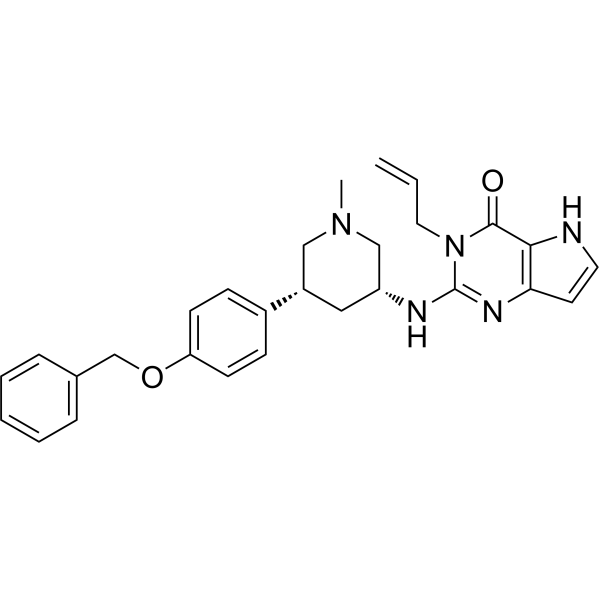 0 ImagesSETDB1-TTD-IN-1 is a SETDB1 methyltransferase activator and SETDB1-TTD competitive inhibitor (Kd of 88 nM), and selectivity for SETDB1-TTD over other tudor and bromodomain proteins. SETDB1-TTD-IN-1 stimulates methyltransferase activity via increased catalytic activity, promotes Akt1 Lys64 methylation, Akt1 Thr308 phosphorylation and activation. SETDB1-TTD-IN-1 prevents SETDB1-TTD-histone H3 peptide association, induces global gene expression changes, exhibits cellular target engagement, and acts as a tool compound for SETDB1-TTD function exploration. SETDB1-TTD-IN-1 can be used for the research of breast cancer.
-
A-395
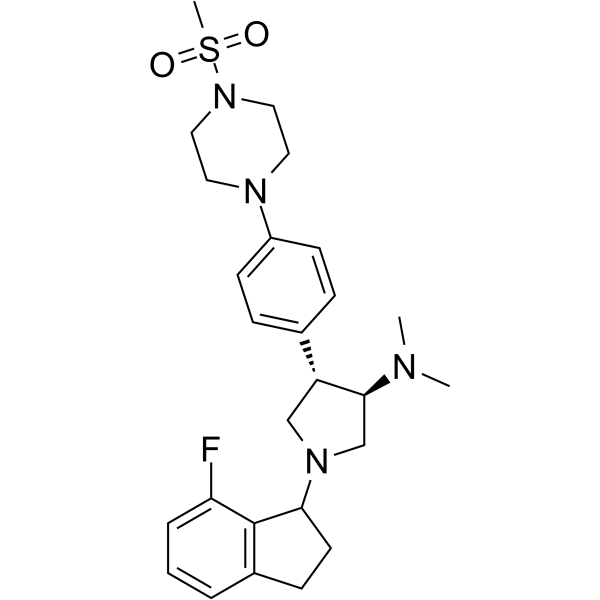 0 ImagesA-395, a chemical probe, is an antagonist of polycomb repressive complex 2 (PRC2) protein-protein interactions that potently inhibits the trimeric PRC2 complex (EZH2-EED-SUZ12) with an IC50 of 18 nM.
-
PFI-2 hydrochloride
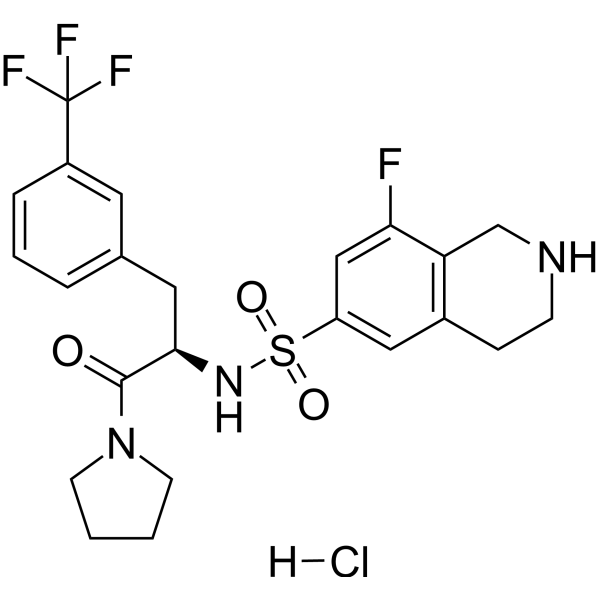 0 ImagesSynonyms: (R)-PFI-2 hydrochloridePFI-2 ((R)-PFI-2 hydrochloride) hydrochloride is a potent and selective SET domain containing lysine methyltransferase 7 (SETD7) inhibitor. (R)-PFI-2 shows high inhibiting activity with IC50 value of 2.0 nM and (S)-PFI-2 shows inhibiting activity with IC50 value of 1.0 μM. PFI-2 hydrochloride can be used for the research of chronic kidney disease and inflammation response in the development of renal fibrosis.
-
Bleximenib
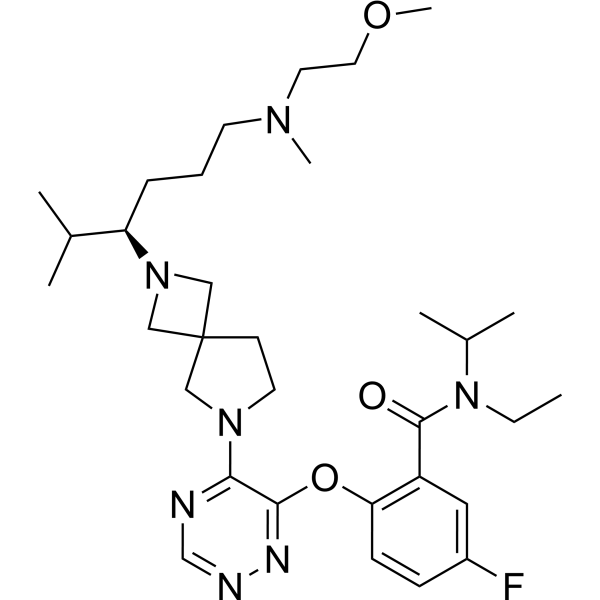 0 ImagesSynonyms: JNJ-75276617; Menin-MLL inhibitor 24Bleximenib (JNJ-75276617) is an orally active and selective menin-KMT2A inhibitor, with IC50 values of 0.1 nM, 0.045 nM, and ≤0.066 nM for humans, mice, and dogs, respectively. Bleximenib can inhibit the proliferation and induce apoptosis and differentiation of tumor cells. Bleximenib can be used in the research of tumors such as leukemia.
-
4,4'-Sulfonyldiphenol
 0 ImagesSynonyms: Bisphenol S; Bis(4-hydroxyphenyl) sulfone4,4'-Sulfonyldiphenol (Bisphenol S; Bis(4-hydroxyphenyl) sulfone), a substitute for Bisphenol A (HY-18260), is widely used in industrial and consumer products. 4,4'-Sulfonyldiphenol is an oally ative estrogen receptor (ER) agonist and can competitively bind to thyroid hormone receptors (TR) with IC50 values for TRα and TRβ are 2650 μM and 2294 μM respectively, thereby affecting breast development and reducing the expression of androgen receptor (AR) in fetal testes. 4,4'-Sulfonyldiphenol promotes the progression of glioblastoma by upregulating the EZH2 mediated PI3K/AKT/mTOR pathway. Under chronic exposure, 4,4'-Sulfonyldiphenol can cause significant lipid deposition and dyslipidemia in the mouse liver by upregulating JunB and Atf3, and has a role in causing obesity at low doses. 4,4'-Sulfonyldiphenol induces intestinal inflammation by altering the intestinal microbiome. 4,4'-Sulfonyldiphenol accelerates the progression of atherosclerosis in zebrafish embryo larvae.
-
UNC0224
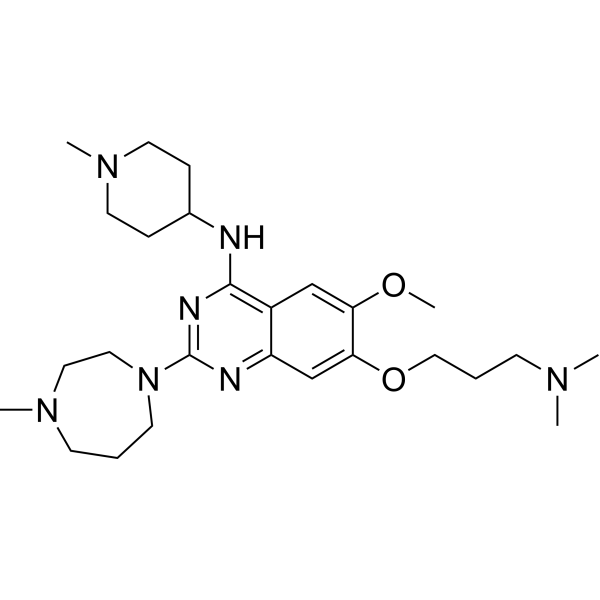 0 ImagesUNC0224 is a potent and selective histone methyltransferase G9a inhibitor with a Ki of 2.6 nM, an IC50 of 15 nM and a Kd of 23 nM. UNC0224 also potently inhibits b>GLP with assay-dependent IC50 values of 20-58 nM. UNC0224 is inactive against SET7/9, SET8/PreSET7, PRMT3 and JMJD2E.
-
Valemetostat tosylate
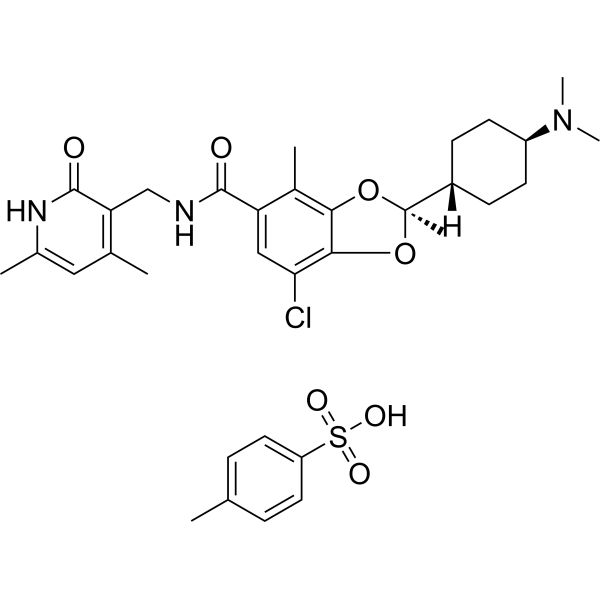 0 ImagesSynonyms: DS-3201 tosylateValemetostat (DS-3201) tosylate, a first-in-class EZH1/2 dual inhibitor with IC50 values <10 nM. Valemetostat tosylate can be used for the research of relapsed/refractory peripheral T-cell lymphoma.
-
Amodiaquine dihydrochloride dihydrate
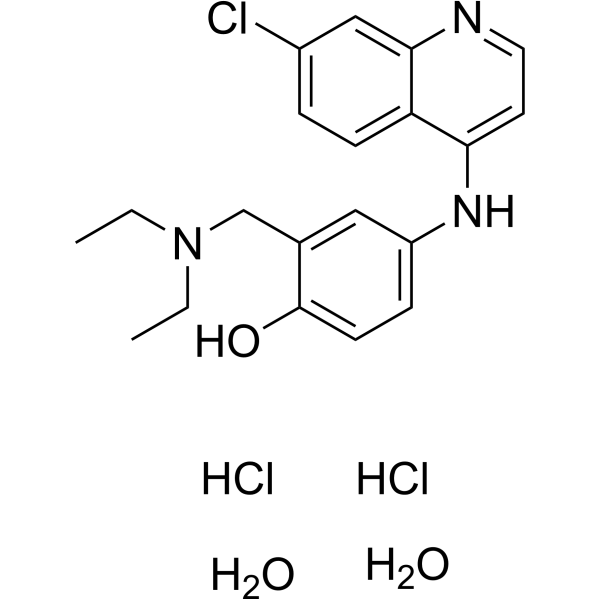 0 ImagesAmodiaquine dihydrochloride dihydrate (Amodiaquin dihydrochloride dihydrate), a 4-aminoquinoline class of antimalarial agent, is a potent and orally active histamine N-methyltransferase inhibitor. Amodiaquine dihydrochloride dihydrate is also a Nurr1 agonist and specifically binds to Nurr1-LBD (ligand binding domain) with an EC50 of ~20 μM. Anti-inflammatory effect.
-
AS 1411
 0 ImagesSynonyms: AGRO-100AS 1411 (AGRO-100) is an oligonucleotide aptamer targeting nucleoproteins. AS 1411 inhibits tumor cell proliferation by affecting the activity of nucleoprotein-containing complexes and can be used as a carrier to precisely deliver nanoparticles, oligonucleotides and small molecules to cancer cells. AS 1411 reduces PRMT5 expression to inhibit tumor growth in DU145 prostate cancer cells. AS 1411 works by blocking the binding of nucleoproteins to bcl-2 mRNA in MCF-7 breast cancer cells. AS 1411-coupled Jin nanospheres can inhibit breast cancer cell proliferation in vitro and in mouse models, has the ability to cross the blood-brain barrier with low tissue toxicity.
-
AR420626
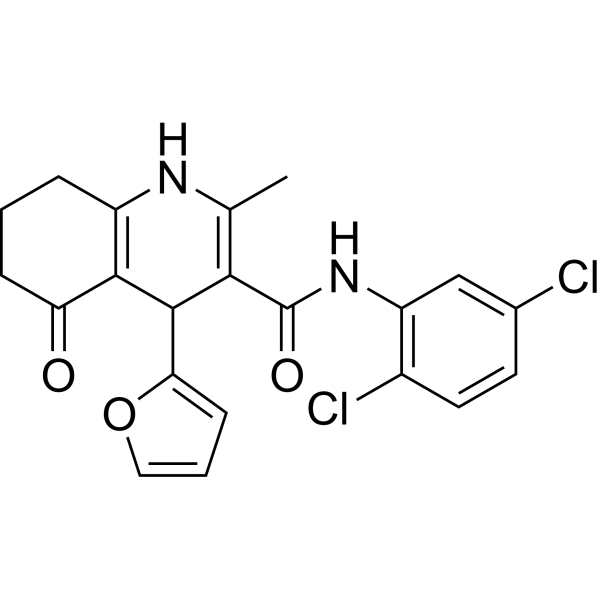 0 ImagesAR420626 is a selective agonist of free fatty acid receptor 3 (FFAR3) (IC50=117 nM). AR420626 has anti-inflammatory, anticancer and antidiabetic activities. AR420626 improves neurogenic diarrhea by inhibiting nAChR mediated neural pathways. AR420626 inhibits the growth of HepG2 xenografts and inhibits the proliferation of hepatoma cells by inducing apoptosis. AR420626 also suppresses allergic asthma and eczema and has the ability to activate GPR41 to increase Ca2+ signal-mediated glucose uptake and improve diabetes.
-
MAK683
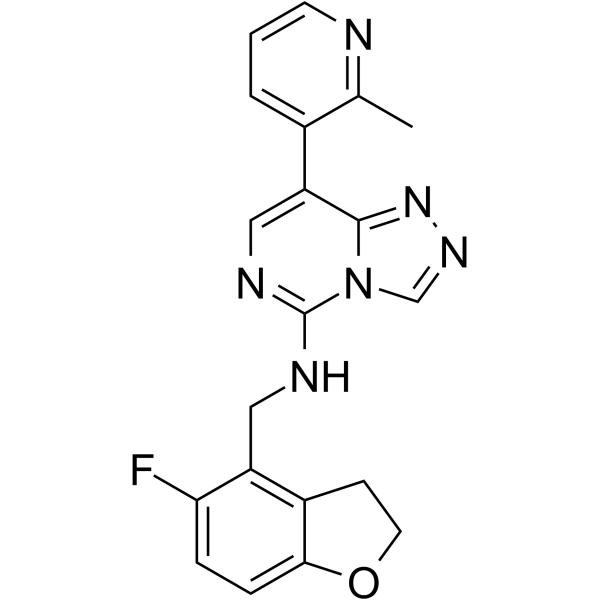 0 ImagesMAK683 is an embryonic ectoderm development (EED) inhibitor extracted from patent US20160176882 A1, compound example 2. MAK683 exhibits IC50s of 59, 89, 26 nM in EED Alphascreen binding, LC-MS and ELISA assay.
-
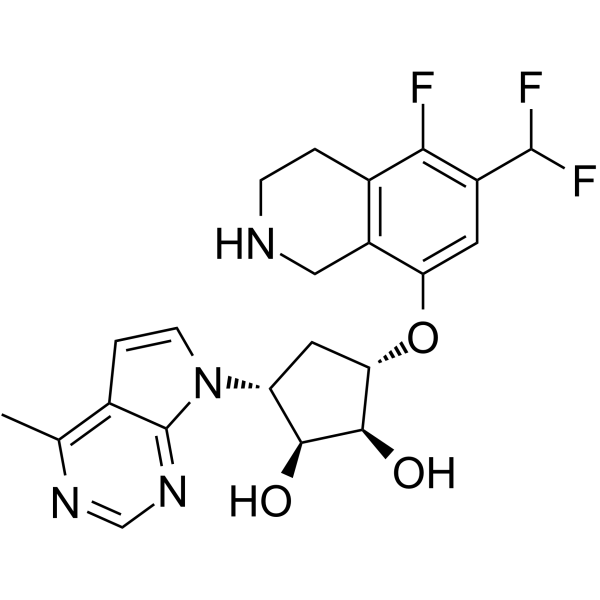
Ralometostat
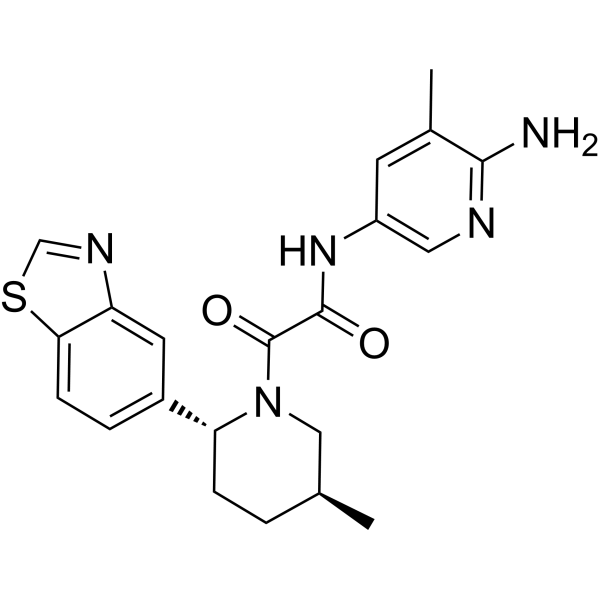 0 ImagesSynonyms: TNG908
-
MT-DADMe-ImmA
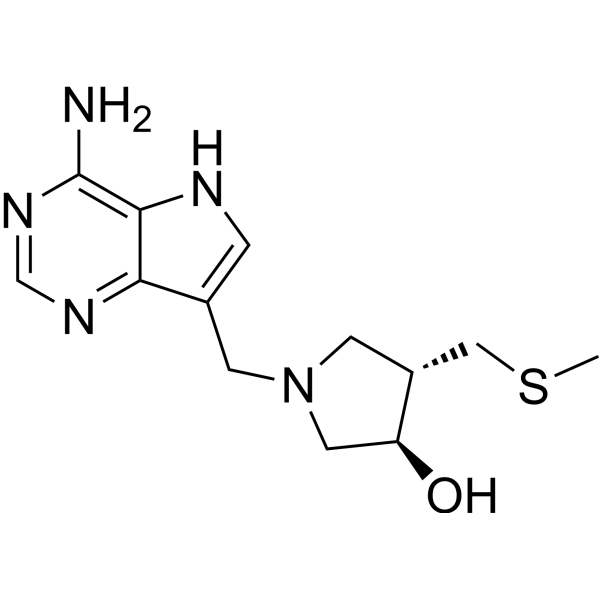 0 ImagesSynonyms: MTDIA; Methylthio-DADMe-Immucillin AMT-DADMe-ImmA is an inhibitor of human 5'-methylthioadenosine phosphorylase (MTAP) with a Ki of 90 pM.